Buy ناسا.com ?
We are moving the project
ناسا.com .
Are you interested in purchasing the domain
ناسا.com ?
domain@kv-gmbh.de · 0541-91531010
Buy ناسا.com ?
What is the acceleration in space?
Acceleration in space is the rate at which the velocity of an object changes over time. In the vacuum of space, where there is no air resistance or friction, objects can accelerate without any external forces acting upon them. This acceleration can be caused by the gravitational pull of celestial bodies, such as planets or stars, or by the propulsion systems of spacecraft. The acceleration in space is typically measured in meters per second squared (m/s^2). **
Can you feel acceleration in space?
No, you cannot feel acceleration in space in the same way you would on Earth. In space, there is no air resistance or friction to provide a sense of acceleration. However, you can still perceive acceleration through visual cues or the movement of objects around you. Astronauts in space may feel the effects of acceleration when their spacecraft speeds up or changes direction, but it is not the same as the sensation of acceleration on Earth. **

Similar search terms for Acceleration
Top-Angebote
Products related to Acceleration:



-
What is the acceleration in outer space?
In outer space, the acceleration due to gravity is essentially zero. This is because there is very little mass in space to exert gravitational force, so objects in freefall will not experience any significant acceleration. However, if an object is propelled by a force, such as a rocket engine, it can experience acceleration due to the force applied. Overall, in the absence of significant gravitational forces, the acceleration in outer space is minimal unless acted upon by an external force. **
-
Are you interested in astronomy and space science?
As an AI, I do not have personal interests or preferences. However, I am equipped with vast knowledge about astronomy and space science and can provide information and answer questions on these topics. **
-
How can one calculate and compare acceleration in motorcycle technology?
Acceleration in motorcycle technology can be calculated by measuring the change in velocity over time. This can be done by using a GPS device or accelerometer to track the speed of the motorcycle at different time intervals. To compare acceleration between different motorcycles, one can analyze the acceleration times from 0 to 60 mph or 0 to 100 km/h. Additionally, factors such as engine power, weight, and aerodynamics play a significant role in determining the acceleration capabilities of a motorcycle. **
-
How can acceleration be calculated and compared in motorcycle technology?
Acceleration in motorcycle technology can be calculated by measuring the change in velocity over a specific time period. This can be done using a variety of methods, such as using a GPS device or accelerometer. Once the acceleration values are obtained, they can be compared by looking at factors such as the power-to-weight ratio of the motorcycle, the type of engine, and the aerodynamics of the bike. By analyzing these factors, engineers and riders can determine which motorcycles have better acceleration performance. **


How can one convert acceleration to Earth acceleration?
To convert acceleration to Earth acceleration, one can use the formula: Earth acceleration = acceleration / 9.81 m/s^2. This formula is derived from the fact that Earth's gravitational acceleration is approximately 9.81 m/s^2. By dividing the given acceleration value by 9.81 m/s^2, one can determine how many times greater or smaller the acceleration is compared to Earth's gravitational acceleration. This conversion is useful for comparing accelerations in different contexts to the standard acceleration due to gravity on Earth. **
How can one convert acceleration to Earth's acceleration?
To convert acceleration to Earth's acceleration, one can simply divide the given acceleration by the acceleration due to gravity on Earth, which is approximately 9.81 m/s^2. This will give the acceleration in terms of how many times Earth's gravity it is. For example, if a car is accelerating at 5 m/s^2, dividing this by 9.81 m/s^2 will give approximately 0.51 g, where g represents Earth's acceleration due to gravity. **
Top-Angebote
Products related to Acceleration:
-
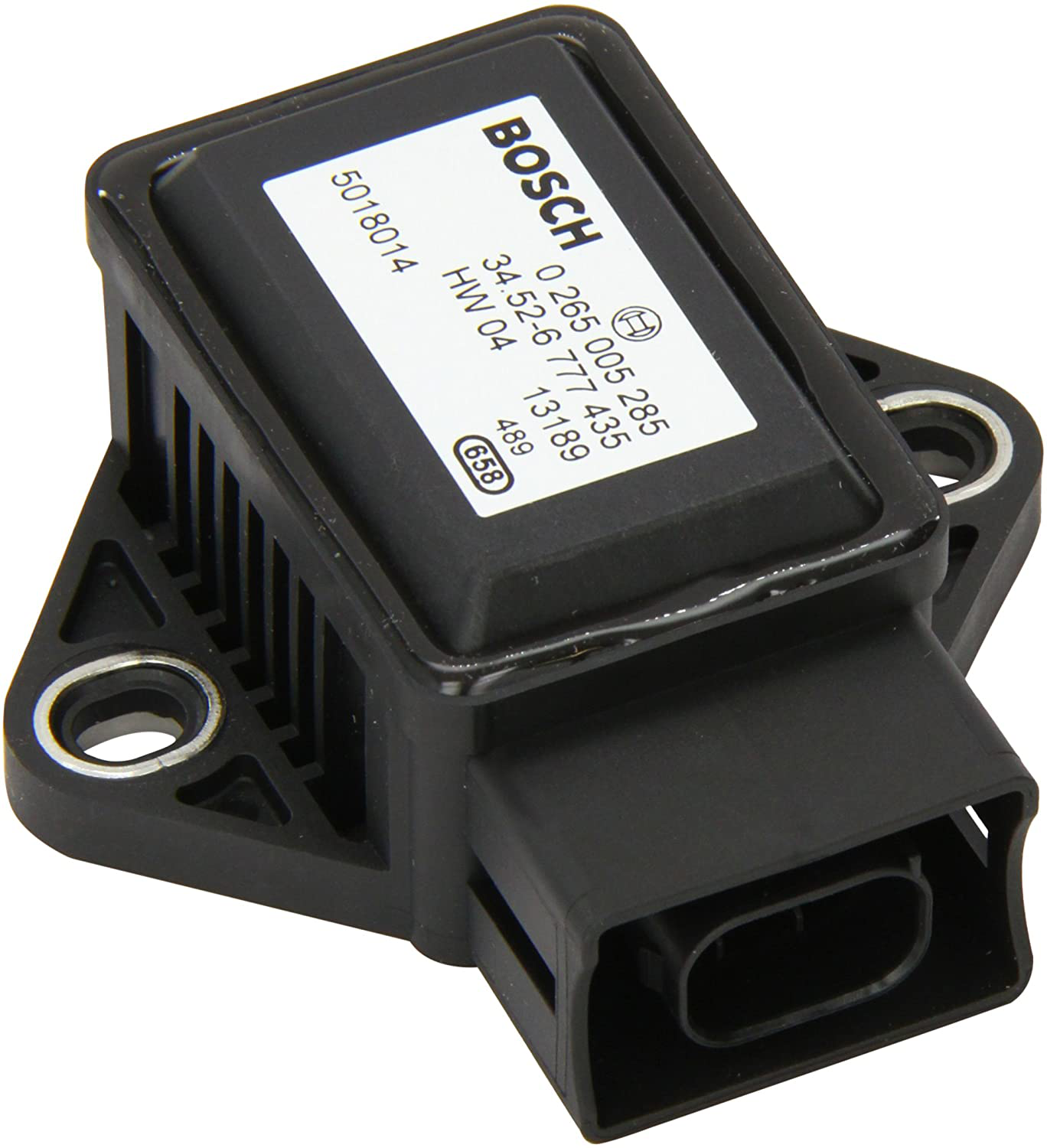
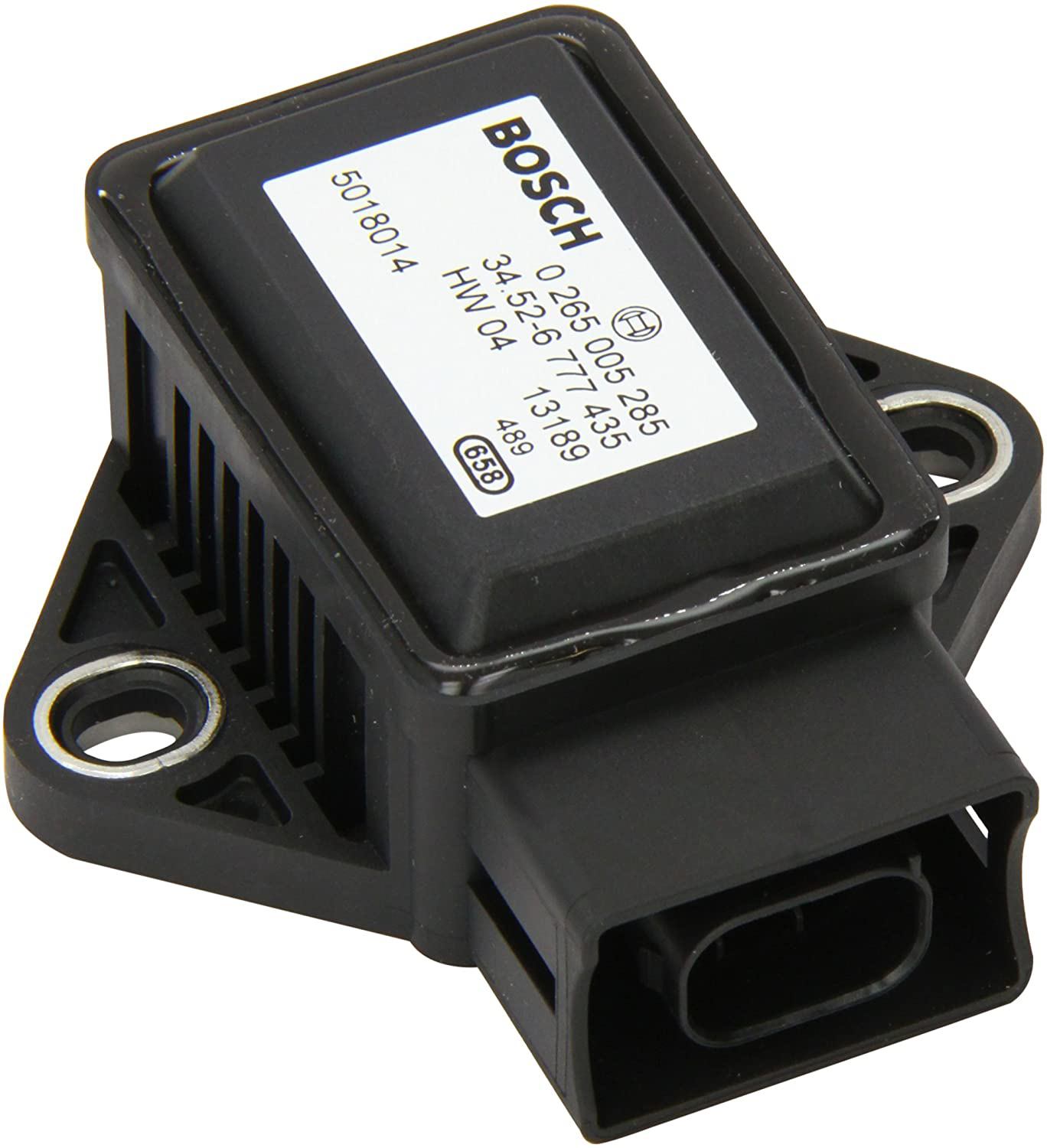
METZGER 09001552 Sensor, longitudinal- / lateral accelerationFitting Position: lateral installation; Fitting Position: Front and Rear, C-Pillar, Rear, Front; Sensor Type: Crash Sensor; Airbag: for side airbag; for PR number: 4X1, 4X3, 0A2; Production date from: 31.05.2010; Production date to: 26.05.2014, 03.11.2014, 03.02.2020, 01.06.2020, 30.11.2015; Model Year to: 2014; Number of Doors: 4; Vehicle Identification Number (VIN) from: 2K-B-200 00160,99 £*Shipping: 8,45 £Secure redirect to the provider
-
METZGER 09001553 Sensor, longitudinal- / lateral accelerationFitting Position: lateral installation; Fitting Position: C-Pillar, Rear, Front, B-Pillar, Front and Rear; Sensor Type: Crash Sensor; Airbag: for side airbag; Production date from: 26.05.2014, 03.11.2014, 25.05.2015; Number of Doors: 4; for PR number: 4X1, 0A2; Production date to: 03.02.202060,99 £*Shipping: 8,45 £Secure redirect to the provider
-
What is the acceleration in space?
Acceleration in space is the rate at which the velocity of an object changes over time. In the vacuum of space, where there is no air resistance or friction, objects can accelerate without any external forces acting upon them. This acceleration can be caused by the gravitational pull of celestial bodies, such as planets or stars, or by the propulsion systems of spacecraft. The acceleration in space is typically measured in meters per second squared (m/s^2). **
-
Can you feel acceleration in space?
No, you cannot feel acceleration in space in the same way you would on Earth. In space, there is no air resistance or friction to provide a sense of acceleration. However, you can still perceive acceleration through visual cues or the movement of objects around you. Astronauts in space may feel the effects of acceleration when their spacecraft speeds up or changes direction, but it is not the same as the sensation of acceleration on Earth. **
-
What is the acceleration in outer space?
In outer space, the acceleration due to gravity is essentially zero. This is because there is very little mass in space to exert gravitational force, so objects in freefall will not experience any significant acceleration. However, if an object is propelled by a force, such as a rocket engine, it can experience acceleration due to the force applied. Overall, in the absence of significant gravitational forces, the acceleration in outer space is minimal unless acted upon by an external force. **
-
Are you interested in astronomy and space science?
As an AI, I do not have personal interests or preferences. However, I am equipped with vast knowledge about astronomy and space science and can provide information and answer questions on these topics. **
Similar search terms for Acceleration
-
Usborne Beginners Science Collection 10 Books Box Set by Various Authors - Earthquakes & Tsunamis, Astronomy, Living in Space & More - Ages 5-9Introduce your child to the wonders of science with the Usborne Beginners Science 10 Books Collection Set. This comprehensive hardback set covers a range of topics, including earthquakes, volcanoes, astronomy, and the solar system, making it perfect for children aged 5-9 who are moving from picture books into independent reading. Each book focuses on a single big idea, broken into clear and accessible chunks, and features vivid photography and diagrams to help young readers understand complex concepts. The set includes titles such as Earthquakes; Tsunamis, Sun, Moon and Stars, Living in Space, and more. With Usborne's reputation for producing high-quality, engaging science books, this collection is an excellent addition to any home or classroom library.17,99 £*Shipping: 2,99 £Secure redirect to the provider
-
Wilco Publishing Universal Knowledge Library 8 Books Collection Set 1 (Space Exploration, Great Scientists, Astronomy, Wonders of the World, Pyramids and More)Universal Knowledge Library 8 Books Collection Set 1 (Space Exploration, Great Scientists, Astronomy, Wonders of the World, Pyramids and More) Discover fascinating facts about science, history, space and the world around us with the Universal Knowledge Library 8 Books Collection Set 1. This educational 8-book collection introduces young readers to a wide range of engaging topics, including Space Exploration, Great Scientists, Astronomy, Wonders of the World, Pyramids and more. Designed to make learning interesting and accessible, the series is ideal for children who enjoy discovering new facts, exploring important scientific ideas and learning about remarkable people, places and achievements. A useful addition to any home learning collection, school library or classroom, this set also makes a great educational gift for curious young readers. Arctic & Antarctic Dive into the icy extremes of Earth and meet the unique animals that live at the poles. World War I An engaging introduction to World War I—its causes, events, and lasting impact on history.. World War II Explore the major battles, leaders, and turning points of WWII in a simplified and visual format. Pyramids Uncover the secrets of ancient pyramids—from Egypt to Mesoamerica—in this easy-to-read guide. Wonders of the World Travel through ancient and modern marvels that have amazed humans for centuries. Astronomy A brilliant beginner’s guide to the night sky, stars, constellations, and planets. Great Scientists Meet the pioneers who changed the world—from Newton to Curie—with their groundbreaking discoveries. Space Exploration Blast off with rockets, satellites, and astronauts in this beginner’s guide to space travel.14,99 £*Shipping: 2,99 £Secure redirect to the provider
-
How can one calculate and compare acceleration in motorcycle technology?
Acceleration in motorcycle technology can be calculated by measuring the change in velocity over time. This can be done by using a GPS device or accelerometer to track the speed of the motorcycle at different time intervals. To compare acceleration between different motorcycles, one can analyze the acceleration times from 0 to 60 mph or 0 to 100 km/h. Additionally, factors such as engine power, weight, and aerodynamics play a significant role in determining the acceleration capabilities of a motorcycle. **
-
How can acceleration be calculated and compared in motorcycle technology?
Acceleration in motorcycle technology can be calculated by measuring the change in velocity over a specific time period. This can be done using a variety of methods, such as using a GPS device or accelerometer. Once the acceleration values are obtained, they can be compared by looking at factors such as the power-to-weight ratio of the motorcycle, the type of engine, and the aerodynamics of the bike. By analyzing these factors, engineers and riders can determine which motorcycles have better acceleration performance. **
-
How can one convert acceleration to Earth acceleration?
To convert acceleration to Earth acceleration, one can use the formula: Earth acceleration = acceleration / 9.81 m/s^2. This formula is derived from the fact that Earth's gravitational acceleration is approximately 9.81 m/s^2. By dividing the given acceleration value by 9.81 m/s^2, one can determine how many times greater or smaller the acceleration is compared to Earth's gravitational acceleration. This conversion is useful for comparing accelerations in different contexts to the standard acceleration due to gravity on Earth. **
-
How can one convert acceleration to Earth's acceleration?
To convert acceleration to Earth's acceleration, one can simply divide the given acceleration by the acceleration due to gravity on Earth, which is approximately 9.81 m/s^2. This will give the acceleration in terms of how many times Earth's gravity it is. For example, if a car is accelerating at 5 m/s^2, dividing this by 9.81 m/s^2 will give approximately 0.51 g, where g represents Earth's acceleration due to gravity. **
* All prices are inclusive of VAT and, if applicable, plus shipping costs. The offer information is based on the details provided by the respective shop and is updated through automated processes. Real-time updates do not occur, so deviations can occur in individual cases. ** Note: Parts of this content were created by AI.